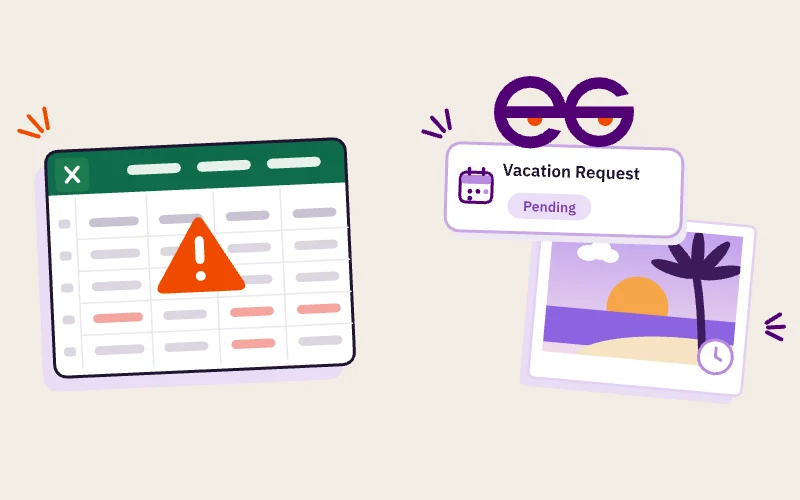
The spreadsheet running the company
A fragile macro holds critical processes together. One wrong cell and everything stops.
I help small businesses and teams untangle processes, connect tools and decide what needs to change. Sometimes that means building something new. Sometimes it means less software.
Notice. Question. Resolve.
Find the loose end.
Make the right change.
Illustrative scenarios, not completed client projects.
Customer record
Customer record
Customer record
Decide who owns the record. Connect what needs it.
The tools can stay. The repeated entry doesn’t have to.
Illustrative scenario. The approach and intended outcome below are hypothetical.
Operations / Internal tools
The business depends on a spreadsheet to track payments. Updating it feels risky, and checking what is outstanding takes too much time.
The real friction is not “Excel is bad.” Payment records, notes and status updates have become entangled, with no clear source of truth.
A sensible intervention would separate the records from the reporting, make ownership explicit, and build a small shared tool only if the existing workflow cannot support that.
A payment process people can understand and maintain. Success would be assessed through fewer reconciliation mistakes and less time spent finding the right information.
Illustrative scenario. The approach and intended outcome below are hypothetical.
Processes / Integrations
A team copies the same customer information between three systems. Work slows down, and the copies gradually disagree.
Each tool has a reason to exist. The missing piece is a decision about who owns each record and how a change moves between systems.
Map the information flow, establish the source of truth, then connect the existing tools where appropriate. Replace only what is genuinely preventing a workable process.
One reliable update instead of repeated entry. Success would be assessed through fewer mismatches and less manual effort, not by how many new tools were added.
Real situations. Practical fixes. Lessons that stick.
A fragile macro holds critical processes together. One wrong cell and everything stops.
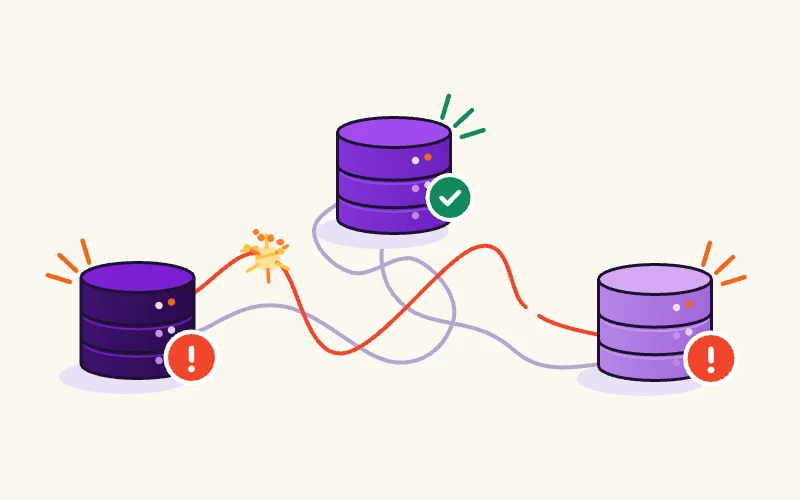
Customer data lives in several places and nobody trusts which one is correct.
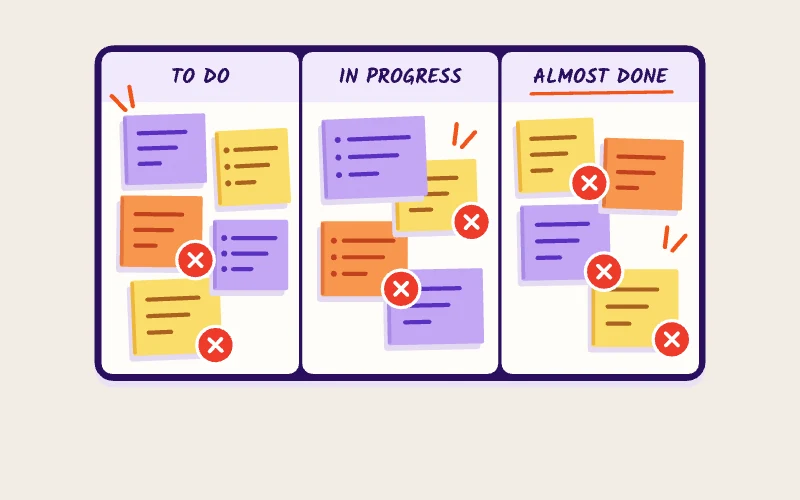
Many active tasks, little finished work. The same bottlenecks, again and again.
“We have this spreadsheet…”
…and everyone is afraid of breaking it.
“We enter the same information three times.”
Surely once should be enough.
“Only María knows how this works.”
And María deserves a holiday.
“These five tools are somehow one process.”
That’s a lot of places for context to get lost.
“We need an app.”
Maybe.
Sometimes the answer is a new tool. Sometimes it’s connecting what you already have, or changing the process. We figure that out before deciding what to build.
Map the process, the people and the point where things get stuck.
We challenge the assumptions. Including the solution you thought you needed. Especially that one.
Choose the smallest sensible change that solves the real problem.
Build, integrate, automate, simplify, remove — or help your team make it happen. Whatever the problem actually needs.
You know there’s a problem. We’ll work out what needs to change.
Systems shouldn’t need a human copy-pasting information between them.
When the answer really is custom software, we’ll build the useful part.
Improve the workflow before replacing the tools.
Another experienced brain when your team hits a decision worth getting right.
You might not need more software. Remove unnecessary dependencies and see how a clearer architecture emerges.
Two fewer things to maintain.
Fewer dependencies. Easier to reason about.
Trade-off: fewer links isn’t always better. A connection earns its place when it removes manual work. Here, the sync job and CSV export only patched gaps between the others.
Fewer handoffs. Fewer games of telephone. More context stays in the room.
The human behind the tired eyes.
emm-g is a small technology consultancy built around a simple advantage: the person understanding your business problem can follow it through product, design, engineering and technology strategy.
I’ve worked across software engineering, product, design and technical leadership. That range lets me look at the same problem from several angles before deciding which one actually matters.
Good technology should remove friction, not relocate it.
You don’t need to know what you need yet.That’s kind of the point.
Prefer email?
Draft restored
Your message from earlier is back.
MESSAGE SENT
Thanks for sharing the messy version. I’ll take a look.
Your message has been sent. I’ll reply to the email address you provided.